
see the workbench: the lab →every decision in this text, with the number that backs it and what was tried and discarded
1. The four pillars
Each point in the figure is a pillar, drawn with the alchemical symbol of its element and a phrase that is its act - what to do when you’re in that pillar.
| pillar | element | color (day / night) | the phrase |
|---|---|---|---|
| science | water (upward triangle, no bar) | #464f7c / #93a3fc | you must not fool yourself - and you are the easiest person to fool |
| technology | air (upward triangle, with bar) | #096058 / #04c5b5 | the best way to predict the future is to invent it |
| art | fire (downward triangle) | #75404d / #ef86a0 | art does not reproduce the visible; rather, it makes visible |
| philosophy | earth (downward triangle, with bar) | #60521b / #c5a93b | the unexamined life is not worth living |
None of the four phrases is mine; they belong to people who thought about this before me: Feynman for science (“you must not fool yourself - and you are the easiest person to fool”, Cargo Cult Science, 1974), Alan Kay for technology (“the best way to predict the future is to invent it”, 1971), Paul Klee for art (“art does not reproduce the visible; rather, it makes visible”, Creative Credo, 1920 - which is literally the “sapere vedere” in the title), Socrates for philosophy (“the unexamined life is not worth living”, Apology, 38a).
Why four, and why these four? It wasn’t a statement of identity. It was archaeology. Seven years of things written, projects done, loose notes, and when I looked at the whole heap, everything fell into four piles of roughly the same size. What was measuring and proving. What was building and making it work. What was giving form to something without knowing why. What was a question with no technical answer. I thought it was cute, made four categories, and got on with my life.
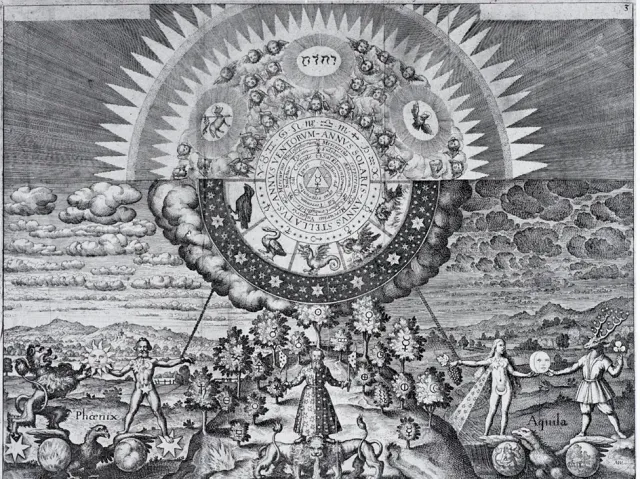
It took me a year to realize that the four heaps weren’t categories. They were the four elements of alchemy, in the exact order, and I hadn’t done it on purpose. Water is what measures, because it takes the shape of its container and shows the level. Air is what builds, because it’s what you can’t see and it holds everything up. Fire is art, because it consumes and transforms. Earth is philosophy, because it’s where you stand. When I saw that, the drawing became obvious: the four triangles the alchemists were using five hundred years ago were already done, and all I needed was to stop disguising it.
And why “pillar” and not “subject”? Because a subject classifies and a pillar supports. A subject is what you put on a label so you can find it later. A pillar is what holds up the roof - take one away and the house falls. When I called it a subject, I wrote about science. When I started calling it a pillar, I understood that science is the way I think, even when I’m playing the violin. The four aren’t themes. They’re four ways of being in the world, and I’m in all four at the same time, all the time.
2. What is born between two
Clicking two pillars lights up the line between them and the name of a third thing, which wasn’t in either of them. The writing rule: the text names the third thing, not the sum of the two.
| encounter | name | the phrase |
|---|---|---|
| science + philosophy | epistemology | agree beforehand on what will count as proof |
| art + philosophy | poetics | give form to a question that has no answer yet |
| philosophy + technology | ethics | all code that runs on its own decides for someone: know for whom |
| art + science | visualization | turn numbers into a drawing without lying in the chart |
| science + technology | engineering | build on what was already measured, without measuring it all again |
| art + technology | craft | it works and it moves you, both in the same piece |
I had already done each of these six things without knowing it had a name.
Epistemology was the day I stopped arguing about whether a development method was better and decided to measure. I agreed beforehand on what would count as proof: delivery time, counted the same way, under both conditions. The result came in and nobody had to take my word for it. It’s science with philosophy underneath: before measuring, deciding what counts as a measurement.
Poetics is closures.js. I wrote a poem that runs as a program, and I can’t explain exactly what it is. The form came before the answer. That’s what art with philosophy is: giving body to a question that hasn’t closed yet.
Ethics is the part of my work nobody sees. All code that runs on its own decides for someone - a shopping cart that recommends, a filter that hides. Philosophy with technology is remembering to ask for whom the system is deciding, before it decides.
Visualization is this page. Turning numbers into a drawing without lying in the chart is a discipline, and most of the charts I’ve seen in my life lie a little. The black hole image on this encounter’s plate isn’t a photograph: it’s a reconstruction of data from eight telescopes. It’s art with science, and both have to be whole.
Engineering is what I do Monday through Friday: building on what was already measured, without measuring it all again. Science with technology is trusting what science has already settled so you can build higher.
Craft is when it works and moves you in the same piece. The Suzuki site, Stephanie’s, the game hidden inside a corporate website. Art with technology is the watch with its back open: you see the gears, and they’re beautiful.
3. What is missing in three
Three of the four is almost everything, and what separates one trio from another is absence. The rule: a trio is defined by what it lacks.
| missing | name | the phrase |
|---|---|---|
| without technology | the essay | thought through, tested and well written, but needs its author there |
| without art | the infrastructure | right, justified and running, but nobody wants to look at it |
| without science | the manifesto that runs | it has an idea, a form and it works, but nobody tested it |
| without philosophy | the product | tested, beautiful and working, still to ask why |
Trios are treacherous. Three of the four looks complete, and that’s exactly why it took me a while to see what was missing in each one.
The essay is what I write most. Thought through, tested, well written - and it doesn’t work without me. A text doesn’t run on its own: it needs someone reading. That’s not a flaw, it’s its nature. But it’s good to know that’s what it is.
The infrastructure is the technical documentation I put together at a job: right, justified, running, and nobody wants to look at it. It had no art, and without art nobody opens it. I thought it was a publicity problem. It was a form problem.
The manifesto that runs is the old site. It had an idea, it had form, it worked - and I never tested whether anyone understood it. Tatlin’s Tower, on this trio’s plate, was never built; mine was, and nobody climbed it.
The product is what I’ve made most in my professional life. Dozens of stores: tested, beautiful, working. And in almost none of them did anyone stop to ask why. What does this store do in the world? For whom? I’m not saying it’s wrong. I’m saying it’s three out of four, and that the difference between three and four is the only thing this entire site is trying to say.
4. The whole
With all four lit: the WHOLE - will always be greater than the sum of its parts. It’s when the dust in the background comes together and assembles the brain, with the flow running through the circuits. It’s the only thing in the figure that the opening walkthrough deliberately doesn’t show: the prize belongs to whoever gets there.
Clicking the center with the brain assembled returns everything to the void, and the void says Everything is 1.
“The whole is greater than the sum of its parts” is a worn-out phrase. Everyone has heard it, nobody stops to think about what it demands. Let me try.
Addition is the first thing we learn: two plus two. It has a hidden property that seems obvious and isn’t: order doesn’t matter and the parts don’t touch. Two and two make four no matter which one you put first, and neither of them changes by being near the other. Almost nothing in the world is like that. When two things really touch, one changes the other, and the result isn’t the sum: it’s a third thing. Hydrogen and oxygen are two gases. Water isn’t “gas plus gas”. Water puts out fire, and neither of them could.
That has a name: emergence. And there’s a way of thinking that takes it seriously, which is called systems thinking, and which has been my obsession since I realized that almost every problem I’d seen up close had no culprit. It had a loop: A pushes B, B pushes C, C pushes A back, and nobody there is the villain. The figure on the home page is literally that loop, drawn in Donella Meadows’ stock-and-flow notation: each pillar is a reservoir, each line is a pipe with a valve, and when you cut a connection both sides drain, because each one is now receiving from two neighbors instead of three. It isn’t an illustration. The model running underneath is a real stock-and-flow model.
Viviane Mosé, who is hidden in the dust, says that “when your soul aches it is because it is growing to hold more world”. I think it’s the same thing said inward. Growing isn’t adding one more piece. It’s the relationship between the pieces changing, and that hurts because what you were no longer fits.
And the math behind it, one sentence at a time
The brain that assembles itself when all four light up isn’t a ready-made drawing that appears. It’s the grains of dust, each with a target, being pulled there by a spring. And the dust that orbits the pillars the rest of the time isn’t animation: it’s calculated gravity. The question I hear most is “but how does the computer know where the grain is going to be?”. The answer is the same one Newton and Leibniz gave in 1670, and I’m going to explain it without a formula.
Imagine you want to know where a car will be an hour from now. If it always goes 60 an hour, easy: 60 kilometers ahead. But what if the speed changes all the time? Then you do what any kid would do: split the hour into tiny pieces, look at the speed in each piece, move a little, look again. Add it all up. The smaller the piece, the more accurate the result.
That’s what the two of them invented, each in his own way and fighting over the credit until they died. Leibniz called the tiny piece of time d - the “d” for difference - and that’s why we still write dt today. Newton called it a fluxion. The name that stuck was calculus, and it has two halves that are the same thing seen from two sides: the derivative is the speed at this exact instant (how much the position changes per tiny piece of time), and the integral is adding up all the tiny pieces to find the position at the end. One undoes the other. That’s the fundamental theorem, and it’s the most beautiful thing I’ve learned in my life.
Now look at what the site does. Sixty times a second, the browser gives me a dt - the tiny piece of time since the last frame, about sixteen thousandths of a second. For each grain, the code calculates the force the lit pillars exert on it, turns force into a change in velocity, adds that change to the velocity the grain already had, and then adds the velocity to the position. That’s all. It’s Leibniz’s integral done by hand, adding tiny piece after tiny piece, sixty tiny pieces a second. The technical name is numerical integration. The honest name is “the computer doing the math the kid would do”.
An example you can work out in your head, with the numbers that are in the code: a grain at rest 200 units from a lit pillar. The pillar’s gravity at that point pulls with an acceleration of about 1.4 units per second per second. In the first tiny piece, of 1/60 of a second, its velocity rises from zero to 1.4 divided by 60: 0.023 units per second. The position moves 0.023 divided by 60: four ten-thousandths of a unit. Nothing, to the naked eye. In the second tiny piece the velocity rises to 0.047, and the position moves twice as far. At frame 60, one second later, the velocity is 1.4 and the grain has moved about 0.7 of a unit. In ten seconds, about 70 - a third of the way to the pillar. Each step is ridiculously small; the sum is the motion.
There’s a detail that separates someone who has done this once from someone who has already been burned: the order. The site updates the velocity first and the position after, using the new velocity. The opposite order - position first, with the old velocity - looks the same and isn’t: the system’s energy keeps growing little by little, and within a few minutes the dust goes flying off. Velocity first, position after has a name, symplectic Euler, and the whole difference is that this way respects the geometry of the motion instead of just approximating it. A grain in orbit stays in orbit.
5. The images behind the figure (the plates)
Each state has a background image. There are 24 plates, almost all in the public domain, with the credits at /creditos. In the order the figure shows them: the void, the four pillars, the six pairs, the four trios, and the whole.
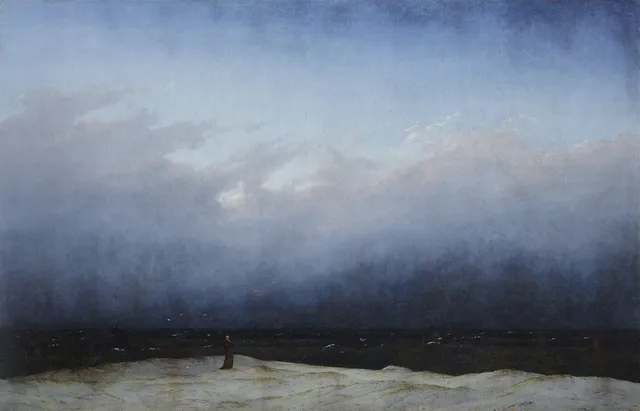
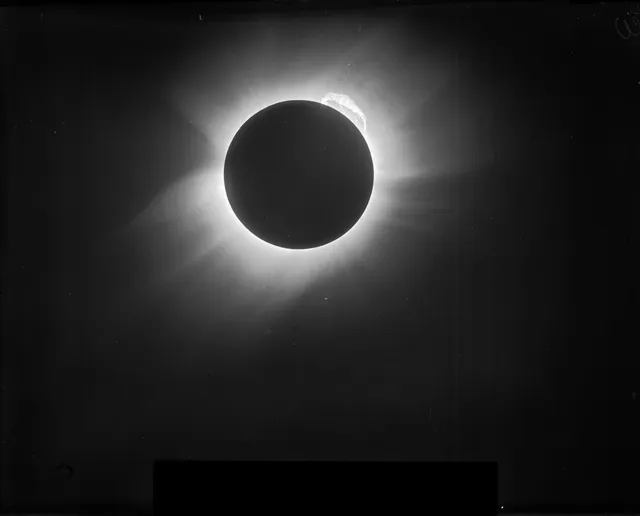
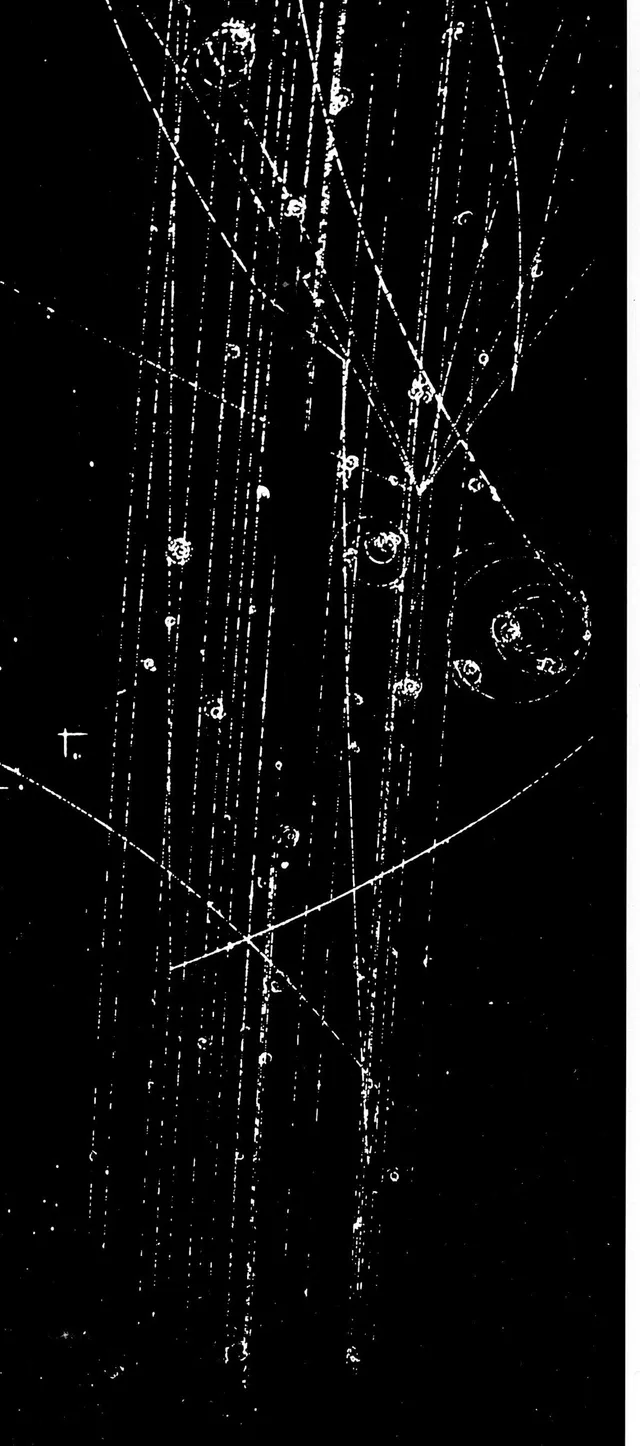
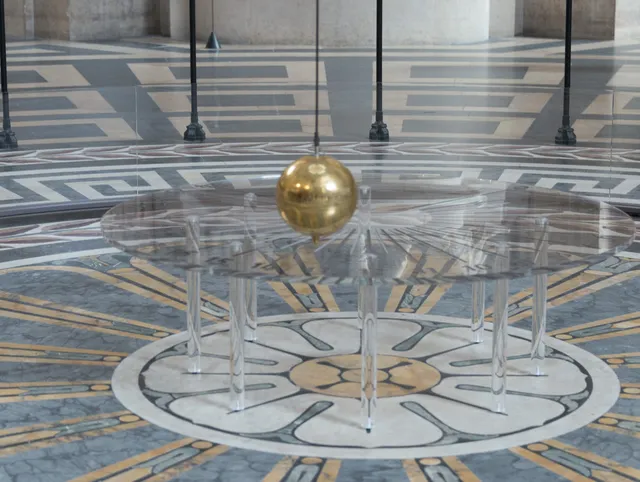
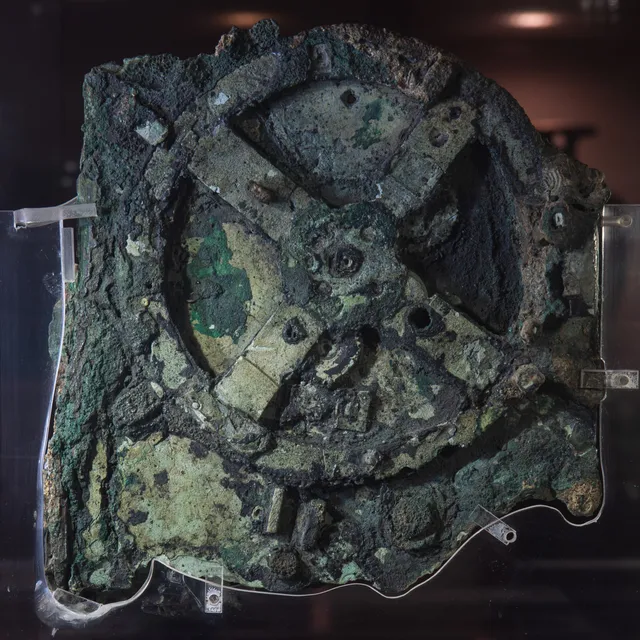
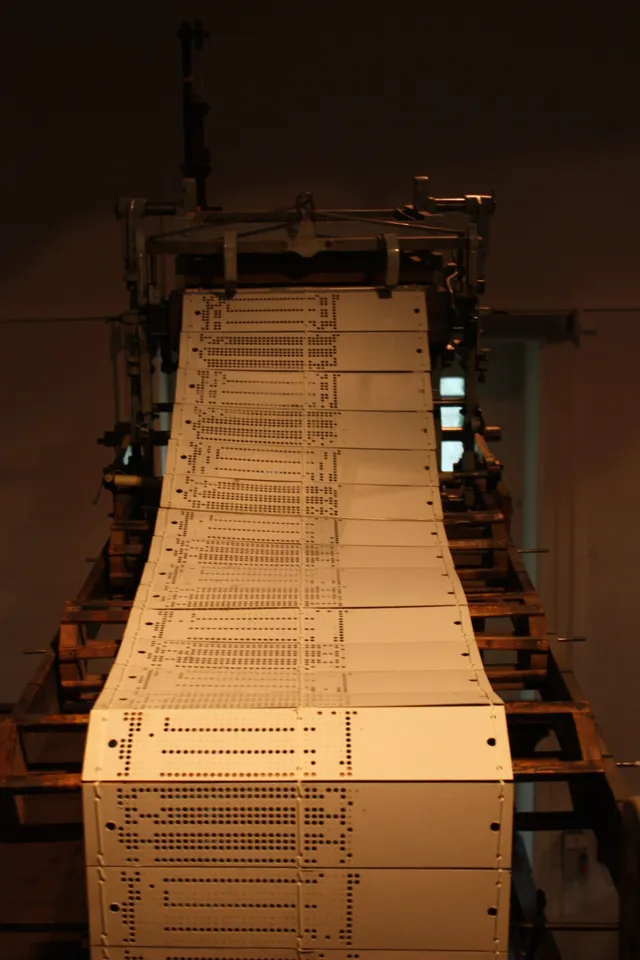
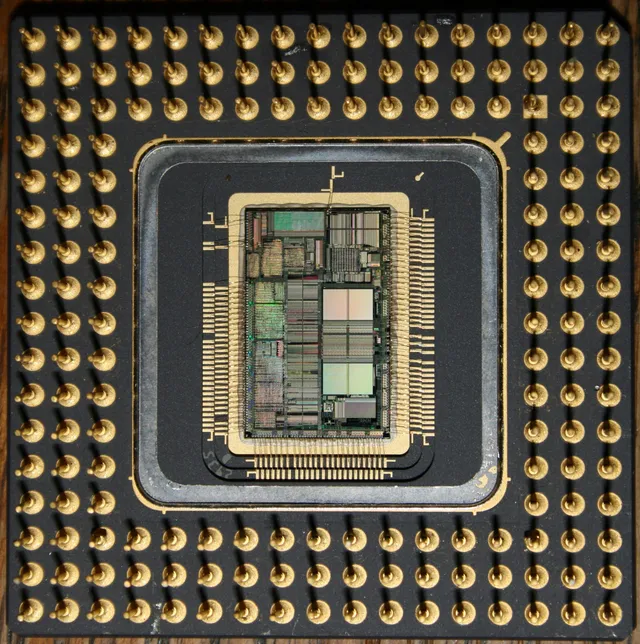
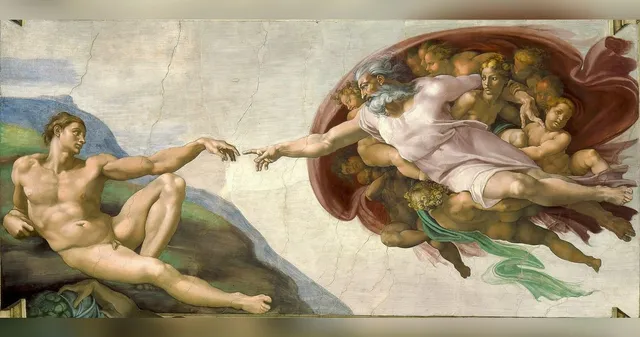
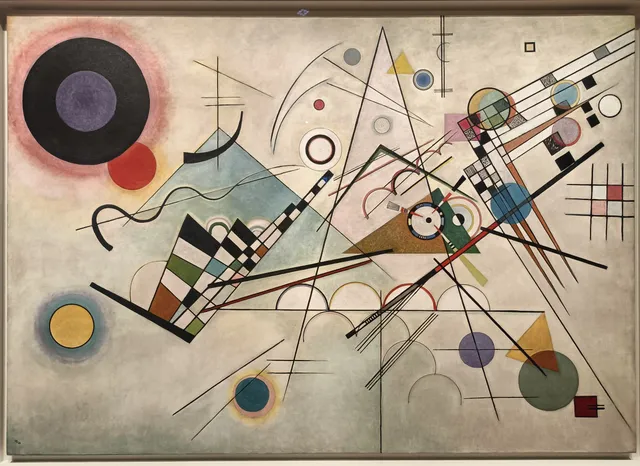
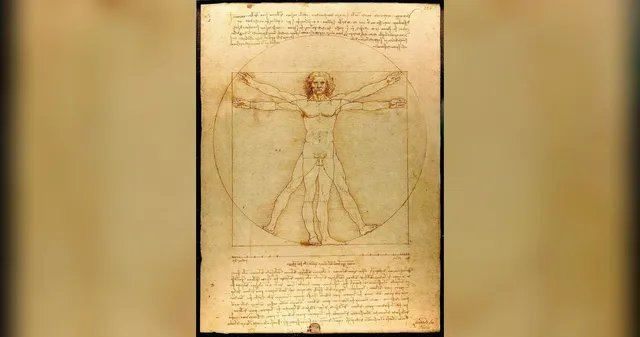
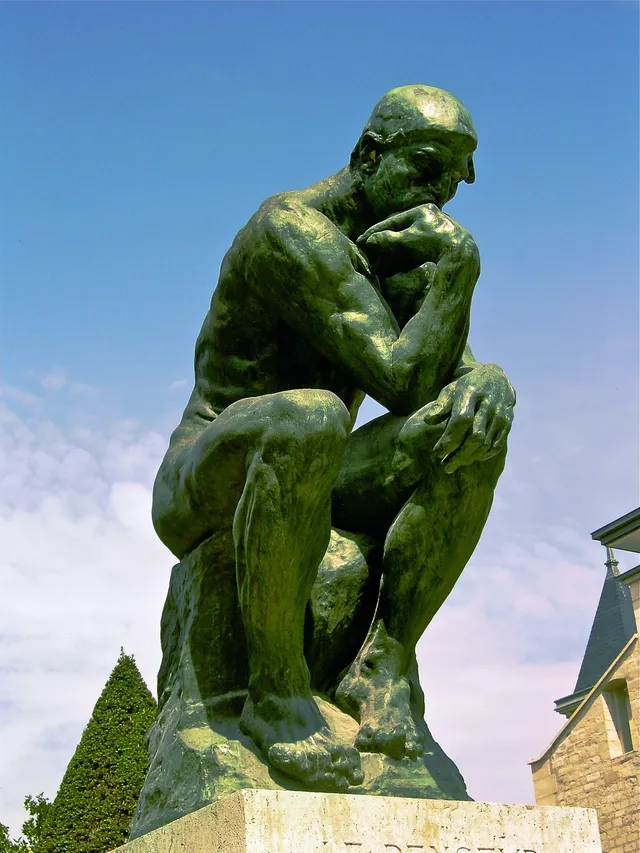
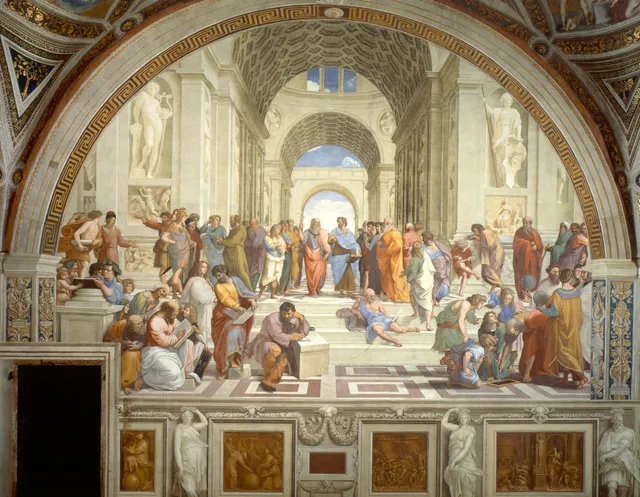
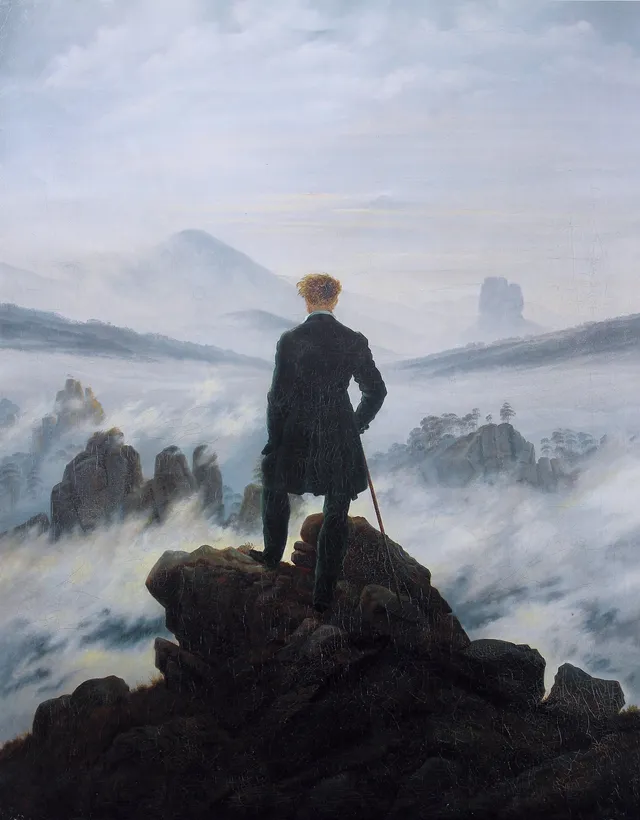
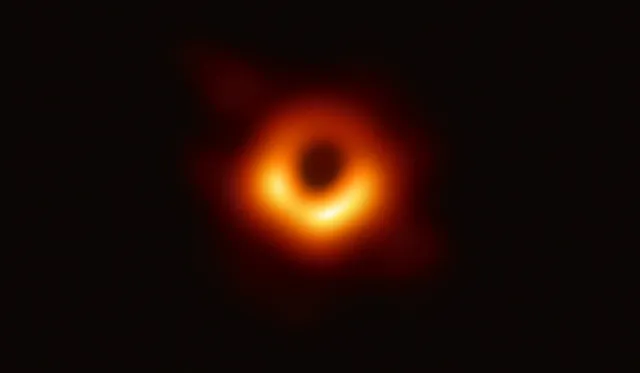
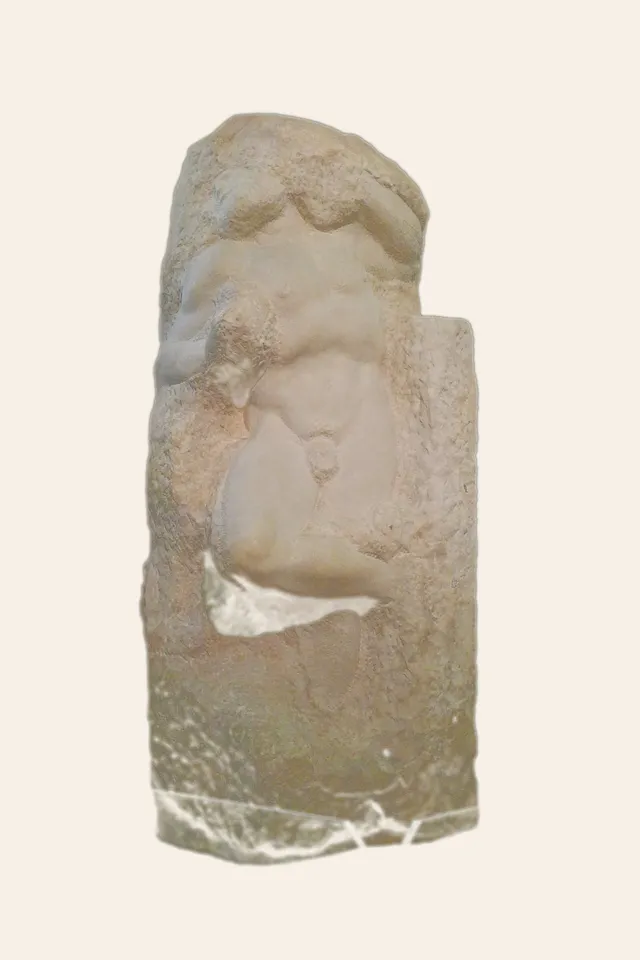
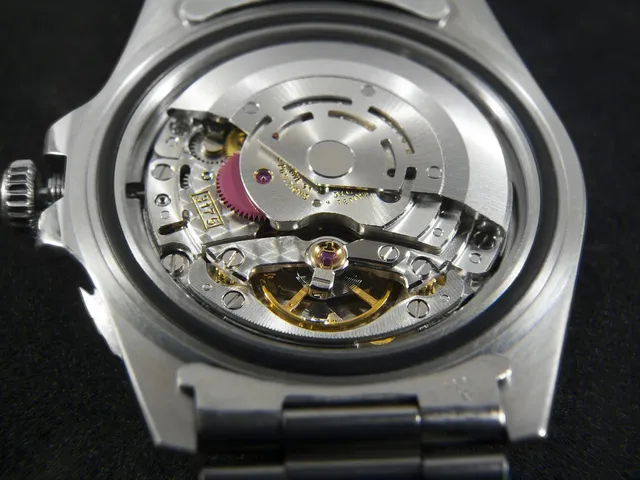
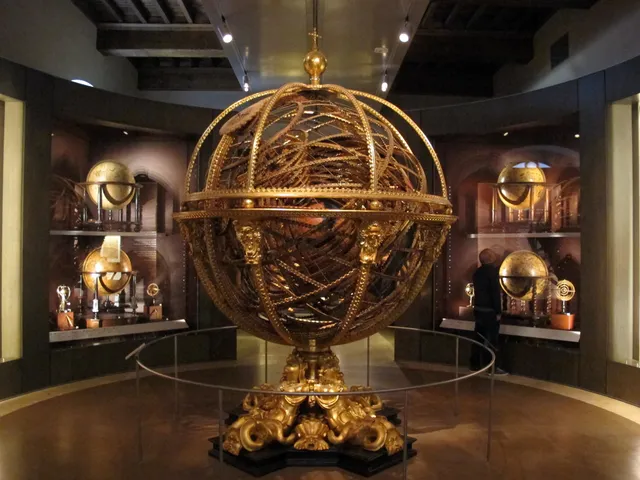
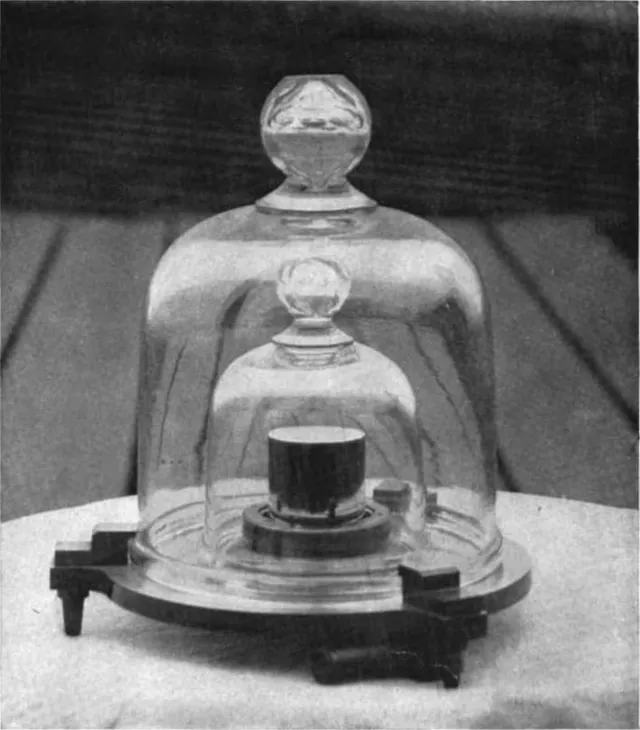
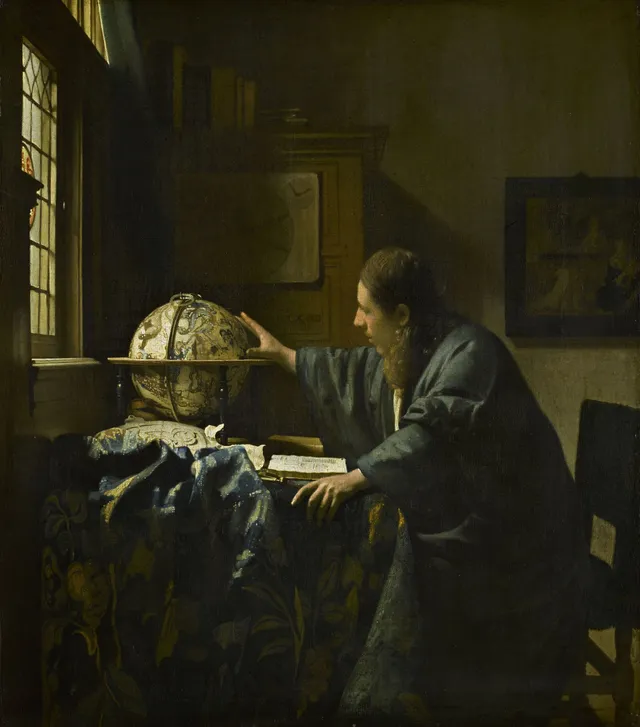
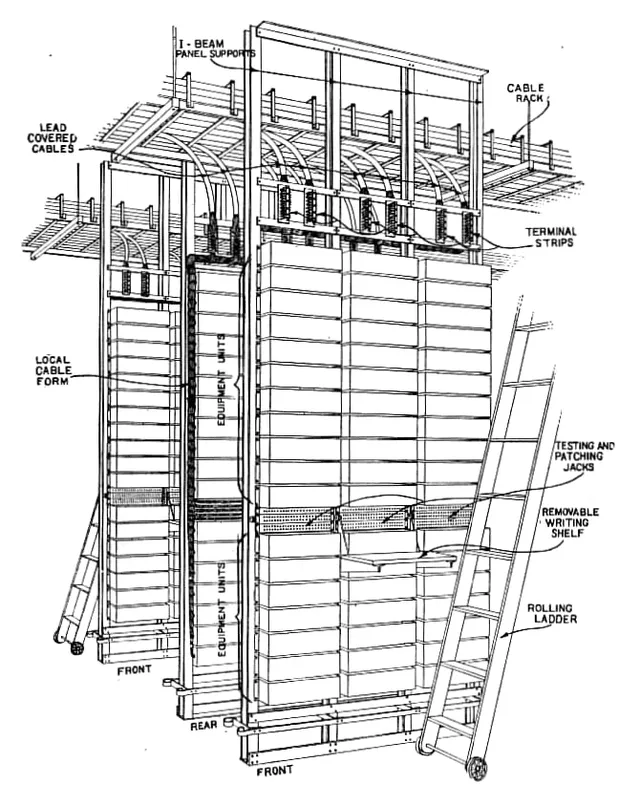
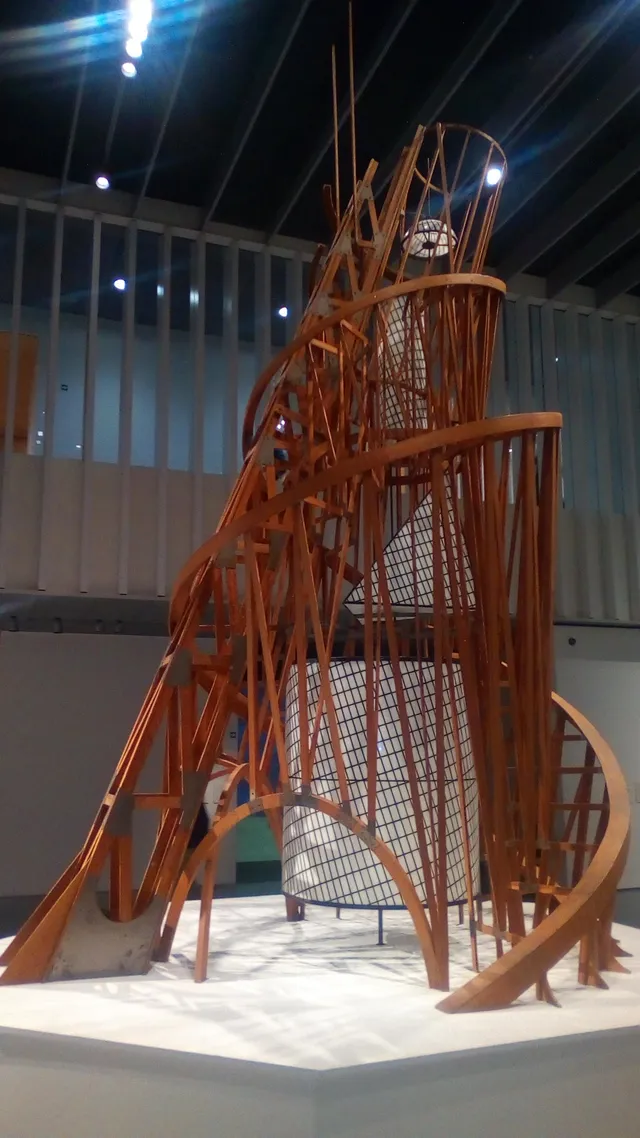
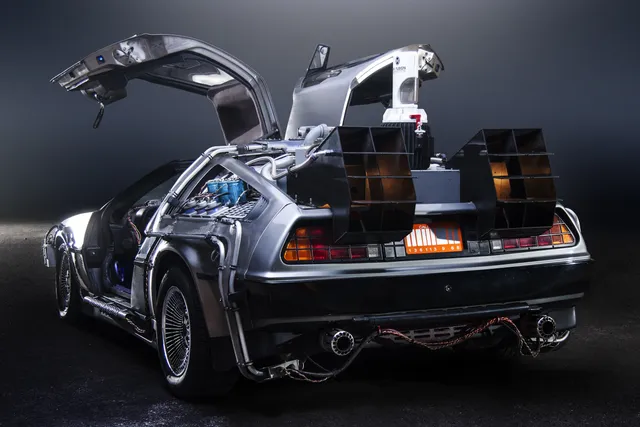
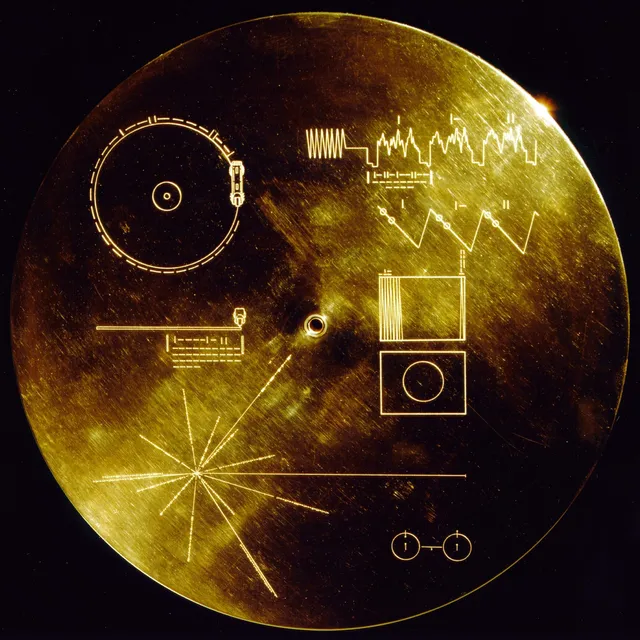
Why museum images, and not illustrations made for the site? Because I tried illustration and it lied. A drawing made to order says what you told it to say. A photographic plate from 1919 says what happened: someone waited for an eclipse in Ceará to see whether the light of a star would bend the way a German had predicted on paper, and it bent. I can’t draw that better than it happened.
There’s a rule behind all the visual choices on this site, and it fits in four words: engraving, not an app. An app has icons, rounded corners, shadows, and a blue button. An engraving has thin lines of ink, small caps with space between the letters, Latin at the top, and an image that existed before you. I want this site to look like the frontispiece of an old book someone found on a shelf, and not like a phone screen. Every time a decision pulled toward the app, I went back to the engraving.
6. The dust and the hidden finds
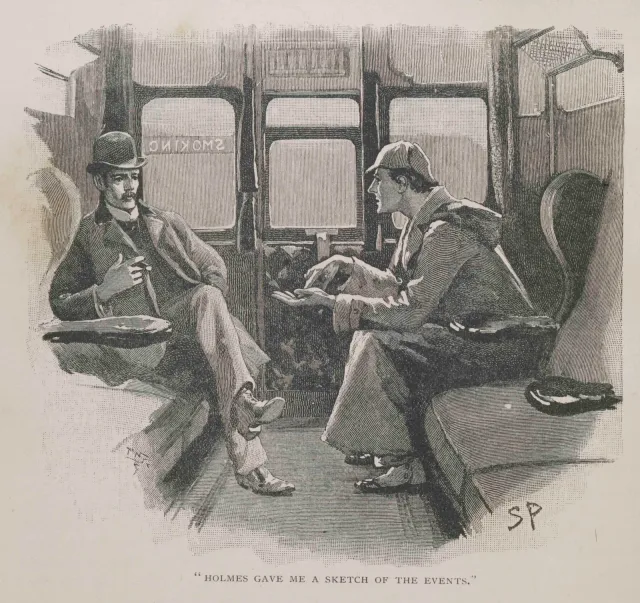
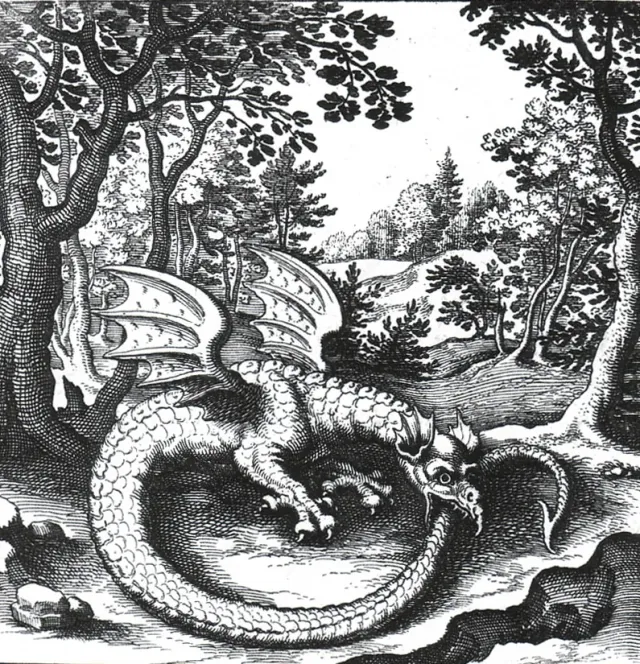
The dust orbiting the figure has 28 grains that hide a reference of mine. They stand out from the rest by the way they move: the dust follows the turbulence of the field in curves; the egg-grain moves in a straight line, slowly, against the current, with a tiny sway - the one crossing the river, among the ones going with it. Every now and then one twinkles. When you get close, it lights up and the pointer gently draws it in. Click it and a sheet opens with the reference; close it and the grain flies, lit and trailing, to the constellation on its side, and becomes a star.
The 28, and each one’s constellation. The GIFs stay still and only move under the pointer.
Virgo - the sun sign: the mind that analyzes, measures, and orders.
Cancer - the rising sign: home, memory, childhood, what one feels.


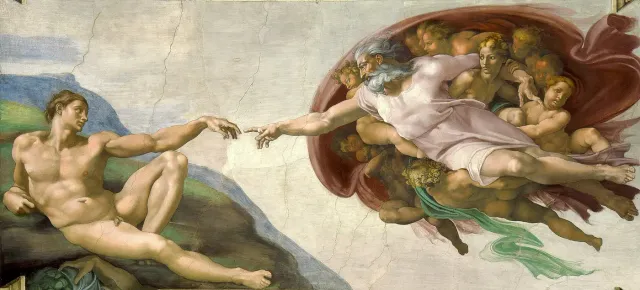
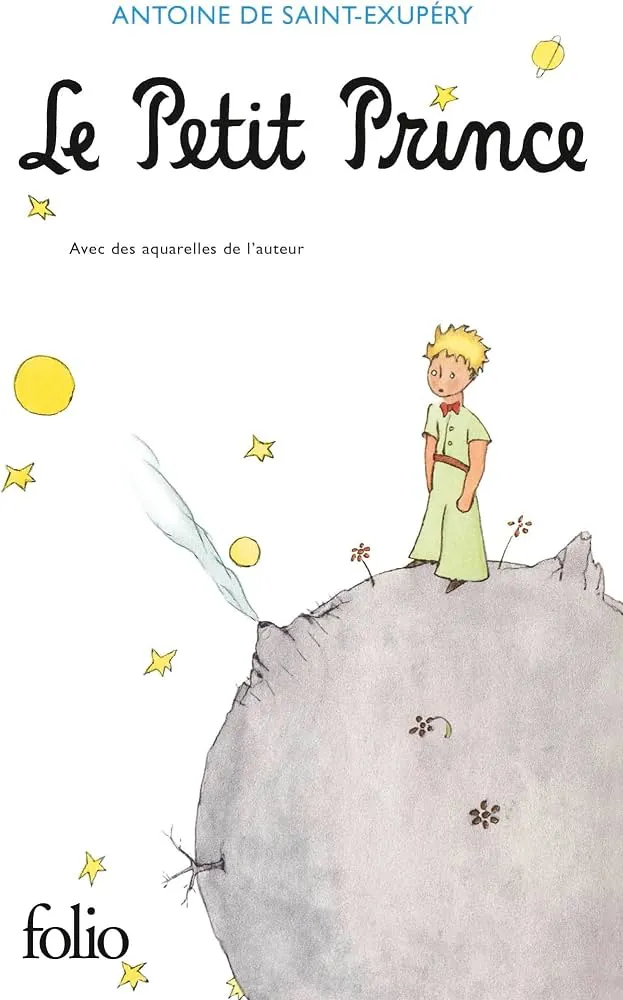
Why hide this in the dust instead of making a page called “influences”? Because a list of influences is a résumé, and nobody reads other people’s résumés for pleasure. A hidden thing is different: whoever finds it has found it. It becomes theirs. I owe this whole idea to two games. Skyrim has a skills screen where you learn things and each thing you learn lights up a star in a constellation, inside a nebula. The first time I saw that, I thought “this is what learning looks like from the inside”. And GRIS, which I’ll get to further on, taught me that a world can reveal itself without a single line of text.
From there the decision was simple: the whole site is a game. Not a game with a scoreboard, achievements, and a progress bar - that would be an app again. A game the way GRIS is a game: you walk, something twinkles, you get close, and the world responds. I owe the games of my childhood the way I still learn today, and it wouldn’t make sense to build my house any other way.
The gravity of the dust
The dust has 320 grains, and each of them obeys Newton. When no pillar is lit, they turn slowly around the center, like a lazy solar system: one revolution every four and a half minutes. When you light a pillar, it becomes a mass, and the dust around it starts to orbit. I’ll explain what’s happening, because it’s the part that delights me most and the part fewest people know is there.
Newton’s law says the force between two bodies falls with the square of the distance. “Square” here means this: if you double the distance, the force doesn’t drop by half, it drops to a quarter. Triple it, and it drops to a ninth. Up close, it pulls hard; far away, almost nothing. That’s why the Moon doesn’t fall onto the Earth and the apple does: the apple is close.
But then comes the question the Moon answers and that we forget to ask: if the Earth pulls on the Moon all the time, why doesn’t it fall? Because it’s moving sideways. Fast. At every instant gravity pulls the Moon down a tiny bit, and its sideways velocity carries it forward a tiny bit. The result is that it falls forever without ever arriving. That’s an orbit: falling sideways. The name of the thing it has and the apple doesn’t is angular momentum - the sideways velocity that gravity can’t take away.
The site does exactly that, and there’s an honest trick in the middle. The instant you light a pillar, each grain gets a sideways push, along the tangent, with three quarters of the speed it would need to stay in a circular orbit there. Without that push, all the dust would fall straight into the pillar and become a dot - which is what happens to an apple. With it, each grain becomes a little Moon. The direction of the push is drawn at random, so half turn one way and half the other, and the ones that cross paths swerve a little, because each grain also exerts a tiny gravity on the others.
Two details only someone who has already broken this knows. First, Newton’s force becomes infinite when the distance becomes zero, and a grain passing through the exact center of the pillar would be flung off the screen. The code softens the force: within a certain distance, roughly the radius of the pillar’s disc, it stops growing. It’s as if the pillar were a ball, not a point. Second, there’s a speed cap, because on a slow frame - the computer froze for half a second - the sum of the tiny pieces would make a jump no real grain would make.
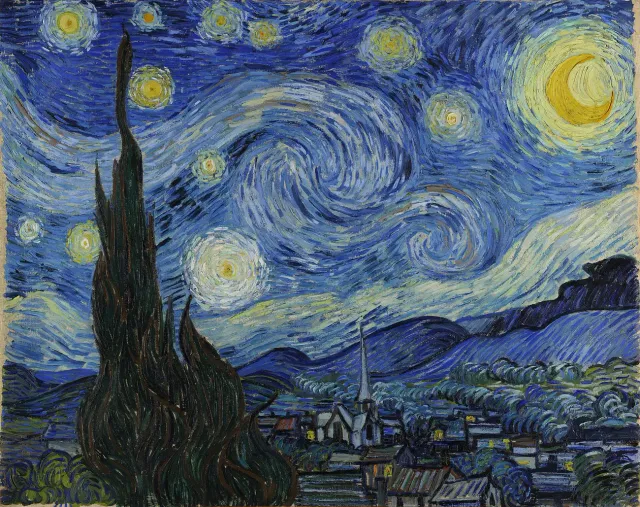
And there’s the other math, the one that isn’t Newton’s. The dust doesn’t just orbit: it also floats on a wind that swirls. That wind is the turbulence field from Van Gogh’s painting, and it works the opposite way from gravity. Instead of a force pulling toward a point, there’s an invisible landscape of hills and valleys, and the velocity at each place is the swirl around that landscape - what mathematics calls the curl. Only one property matters: a wind like that has no source and no drain. It never gathers the dust into a point, never scatters it forever. It circulates. That’s why I chose this math for the background: it’s the only one that keeps the dust alive without ever piling it up.
7. The two constellations
On the left, Virgo; on the right, Cancer. The stars are projected from their real coordinates (right ascension and declination), upright, each in its own band, centered at the height of the figure. A found star is golden and four-pointed, breathing slowly; a star whose find hasn’t been found yet is an empty ring; a star with no find assigned is a background dot. Each constellation closes when its finds run out, and when it closes it shows for a moment the engraving by Johannes Hevelius (Firmamentum Sobiescianum, 1690) - the maiden with the ear of wheat, the crab - and after that only on hover. The scatter button sends the stars back to the sky, each in its own direction, lit and trailing, like a slow supernova.
Virgo is my sun sign and Cancer is my rising sign. I’m not going to argue about astrology here, and that’s not why they’re in the sky. They’re there because I needed two real constellations, with real coordinates - right ascension and declination, projected upright - and when I went to choose which ones, the answer was ready before I asked. Nobody needs to know this to play. Those who know understand that the site’s sky is the sky from when I was born. Those who don’t see two beautiful constellations by Hevelius. Both readings are right.
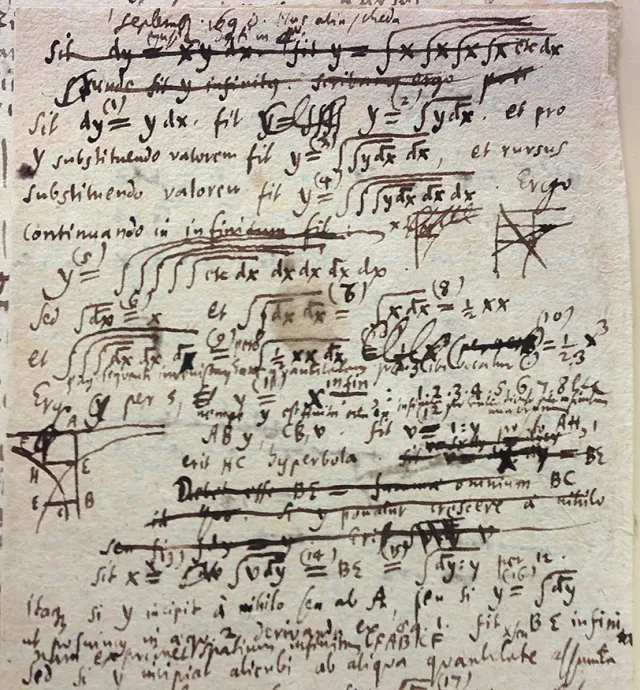
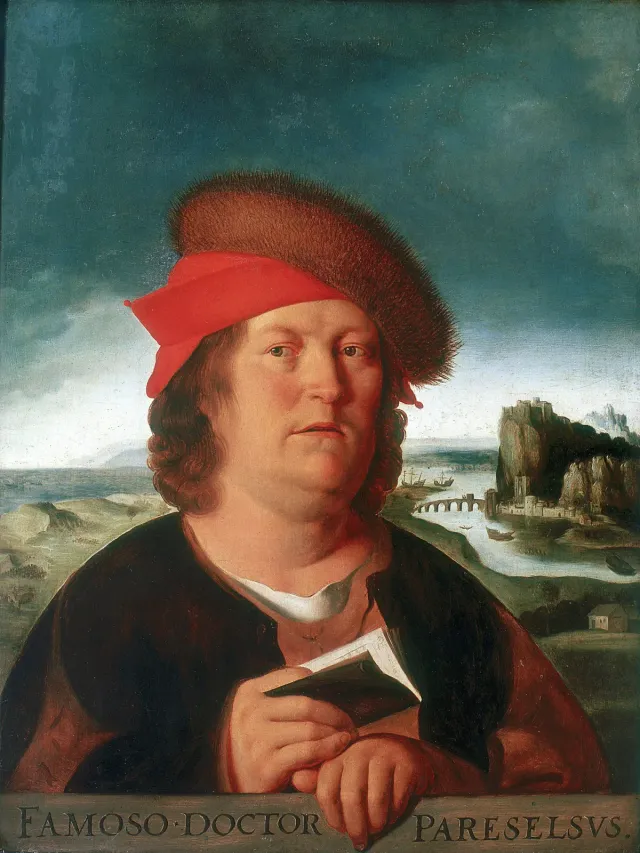
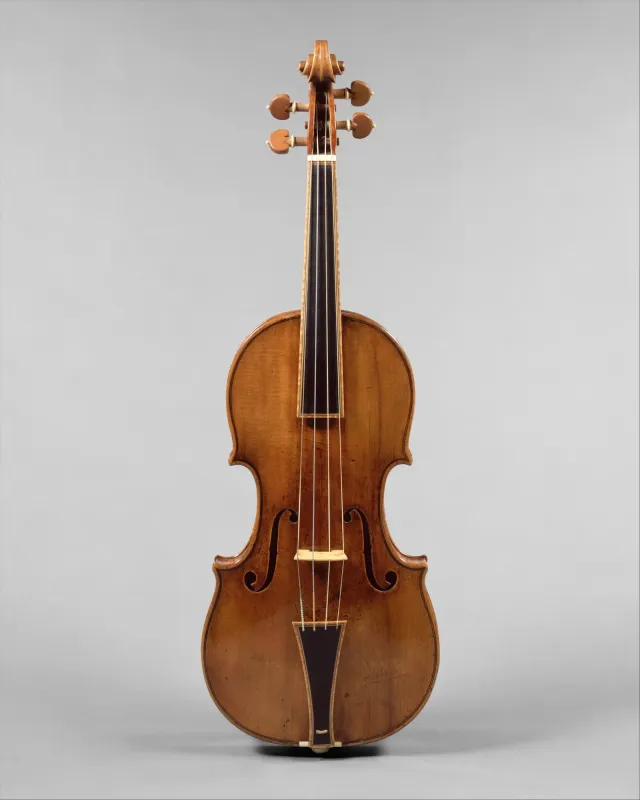
There’s a logic to the split, and it’s mine, not the stars’: Virgo got the references that analyze, measure, and order - Sherlock, Feynman, Paracelsus, the theater, Newton. Cancer got home, memory, childhood, and what one feels - the violin, the games, Clarice, the teachers, the starry night. It’s a split I’d have made anyway, with or without a birth chart. The chart just gave it a name.
8. The entrance and the music
The home page opens with a curtain: “we are made of star stuff”, by Carl Sagan, alone on the screen. After that the K₄ draws itself while the site actually loads - fonts, figure, the images for the first click, the music - and only lets you in when the screen is still and nothing is going to freeze. Then comes the question, watch or skip, and a short walkthrough: the four triangles with their names, one at a time; two lighting up and “engineering” being born in the middle; the four closing the figure; a grain of dust twinkling; the grain flying off and becoming a star. Five acts, slowly, no brain - the prize belongs to whoever gets there. And if you click a pillar in the drawing during the walkthrough, it lights up right there: the walkthrough is the site in miniature, working. It’s what theater taught me: show the gears before letting you use them.
The music is “Says”, by Nils Frahm (Spaces, 2013), the first three minutes on a loop: it starts on the first click, plays through the whole journey, survives a refresh from the same point, turns down when a video plays over it. Sound is on by default; one click turns it off. The pillars’ chords and the finds’ chimes are in the same tuning as the music: everything is a partial of the harmonic series over the same 55 Hz, and that’s why the star that lands at 880 Hz falls consonant on top of the constellation’s chord, without my having adjusted anything.
What “Says” has to do with all this is that it’s the site’s thesis in the form of music. It’s nine minutes of a short arpeggio that repeats, and nothing else happens for a good while. Then a layer comes in. Then another. No layer changes the arpeggio; the arpeggio stays the same, but the music you hear at seven minutes isn’t the sum of the layers: it’s a third thing that none of them was on its own. It’s the whole greater than the sum of its parts, played. I didn’t pick this music to match the site. I built the site on top of what this music was already saying.
9. The design system
The Starry Night is the structure, not the theme
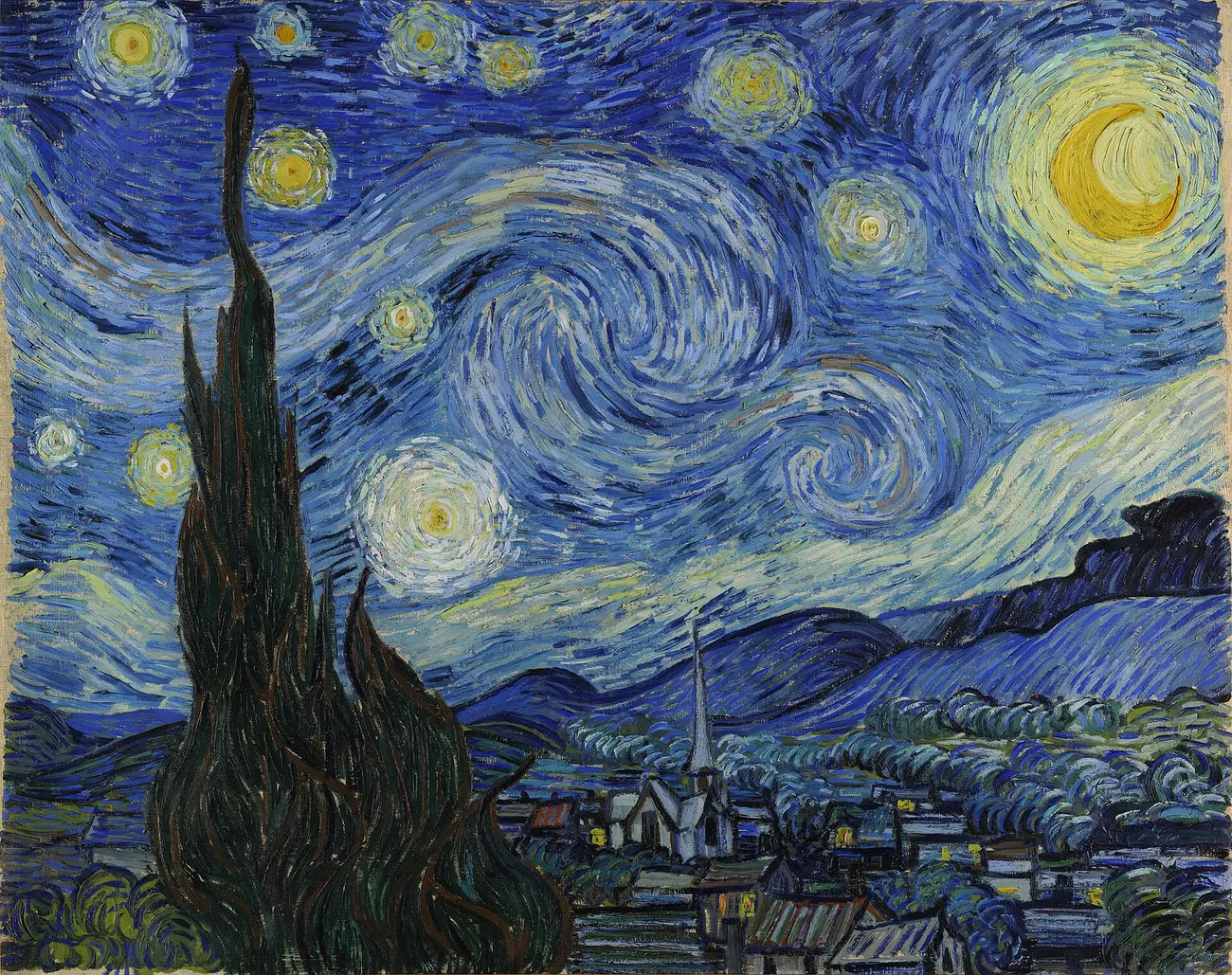
The sky on the home page isn’t a texture behind the figure: it’s Van Gogh’s painting, taken as a system. The redesign started from a 2024 study that measured fourteen spiral shapes on the canvas of The Starry Night obeying the Kolmogorov cascade - energy falls from the large scales to the small ones, as in a real turbulent flow. The site uses exactly that:
- The turbulence field: the potential is a sum of Gaussians and the velocity is its curl, which makes the flow incompressible by identity - no source and no sink. There is no drawn spiral: the spiral is what appears when the flow happens.
- Fourteen centers of rotation, as in the painting, and four of them large, placed over the four pillars of the K₄: the sky is organized by the figure, not pasted behind it.
- The amplitude per scale follows Kolmogorov’s exponent, the same one as in the study.
- The brushstroke length comes from the painting, not from taste: the canvas measures 92.1 cm and the brushstrokes in the sky run from 3 to 8 cm, between 3.3% and 8.7% of the width; the first version used 27.9% and was corrected to that range.
- The dust is the brushstroke: each grain’s brightness is proportional to the speed of the flow, like the paint Van Gogh laid on thicker where the sky turned faster.
- The found star is the painting’s big star: a solid core with a halo around it - and the cypress running along the margin of the posts is the cypress from the canvas, the only dark shape that rises from the ground to the sky.
- What The Starry Night is not here: a palette. The site’s colors come from the OKLCH tokens, with the four pillars at hues 90° apart; the painting’s blue and yellow were not copied. Reference is structure, not decoration.
The live demonstration of this, with the field traced by 240 brushstrokes, is on the workbench.
- Typography: prose in Newsreader (400 and 600); display in Instrument Serif (400); notation and chrome in Space Mono (400 and 700). Chosen by the diacritics sheet - EB Garamond, Cormorant, Bodoni Moda, Literata, and Fraunces failed on ã, ç, and ê.
- Color: ink on cream by day, light ink on midnight blue by night; the accent is gold (
#945820by day,#fab222by night); each pillar has its own hue in oklch (275° science, 185° technology, 5° art, 95° philosophy), with the same chroma and the same lightness in all four, so that none shouts louder than another. - Visual vocabulary: the frontispiece of an old book, not an app dashboard. Letterspaced small caps for labels; 1 px rules; engraving, tarot, star chart; Latin at the top (“sapere vedere”). No app icon where an in-house drawing will do - the pillar filter is the alchemical symbols with the hero’s selection ring, and “all” is the complete K₄.
- Motion: smoke for whatever appears and disappears; a procession of glyphs on entry; the figure sleeps when nobody is looking (hidden tab, page scrolled away, curtain up) - from 0.352 to 0.037 s of CPU per second;
prefers-reduced-motionand the motion button stop everything. - Sound: on by default, but nothing plays without a gesture; a single audio context, closed on exit.
- Memory: everything in the person’s browser, nothing on the server - the notebook of discovered pairs, the finds, reading per pillar (the footer signature fills up with real reading, not with clicks), the walkthrough seen, sound and motion. Each with its own reset.
And there’s no scoreboard. That was a hard decision, because scoreboards work: a little bar filling up, a medal, “you found 12 of 27”. It works, and I didn’t want it. A scoreboard says the thing that matters is the number, and the number becomes the game. Here the figure is the notebook: each piece keeps the encounter it carries. The pairs you’ve already discovered stay lit in a different way. The finds become stars, and the constellation that forms is the record of where you’ve been. Anyone who wants to know how many are left can count the unlit stars. But nobody will count, and that’s what I wanted.
All of this was measured before it was decided, and the measurements are on the workbench: the lab is the page where every decision about color, type, reading, and motion appears with the number that backs it - and with what was tried and discarded along the way.
10. GRIS
There’s a game underneath this site, and I should name it loud and clear: GRIS, by Nomada Studio, from 2018.
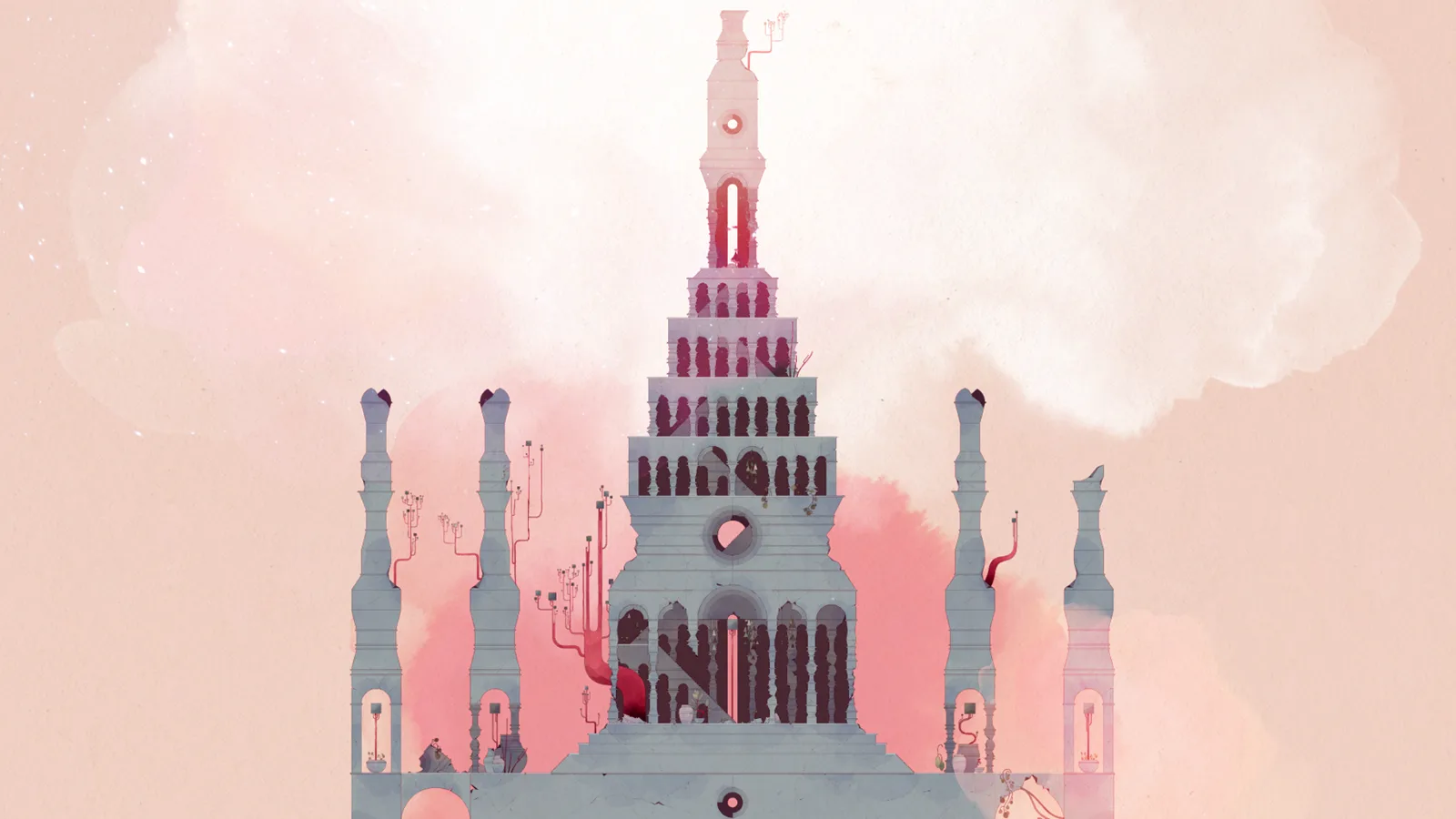
GRIS is a game without a single line of dialogue. A girl wakes up in the hand of a statue that crumbles, falls into a gray world, and spends the whole game giving color back to it: first red, then green, blue, yellow. Each color is a chapter and each chapter is something she gets back. It isn’t explained. You understand because the world changes color when you do the right thing, and that’s enough.
I played GRIS at a time when I couldn’t make anything for myself. Everything I did was a task with a deadline. And a game where nobody speaks, nobody explains, nobody asks for anything, and even so you know exactly what to do and why - that broke me in a way it took me a while to understand. GRIS taught me that you can make something without explaining it. That silence communicates more than the caption. That the world can open up in layers and the person will understand on their own, because they were the one who opened it.
If you look at the home page after knowing this, you’ll see GRIS in three places, and I don’t try to hide any of them:
The stars. In GRIS, as you find the lights hidden around the world, they fly up to the sky and form a constellation. One at a time. When the constellation closes, a path opens. Here it’s the same thing, with no adaptation: the grain you find flies up to the sky, lit, and becomes a star in Virgo or Cancer. When it closes, Hevelius’s engraving appears. I could have invented another mechanic. I didn’t want to, because this one is perfect and I know where it came from.
The paints. In GRIS the world gains color in layers, one per chapter. Here each lit pillar paints the figure with its color: light science and blue comes in, light art and pink comes in, and when all four are lit the four colors are on the screen at the same time. The site is born in ink on cream, almost without color, and you’re the one who gives the color back to it. It isn’t an effect. It’s the structure of the palette.
The motion. Everything in GRIS moves like fabric in the wind: her dress, the platforms, the creatures. Nothing is rigid, nothing stops for good. The dust here, the drifting grains, the smoke that brings and takes away each sentence, the brain that assembles slowly instead of just appearing - it’s the attempt to make the site breathe the same way. And the rule I repeated a thousand times during the build, “subtle like in GRIS”, is the ruler every animation was measured against: if it calls attention to itself, it’s wrong.
11. The inspirations
- The Starry Night, Van Gogh: the structure of the whole sky - see section 9. But what the painting means to me isn’t the technique. It’s that it was painted from inside an asylum room, looking out the window before dawn, by someone who could no longer be in the world and even so saw the sky turn. I look at it and see someone making the most beautiful thing he ever made while in the worst place he had ever been. That holds me up more than any theory.
- GRIS (Nomada Studio): the whole section above.
- Skyrim: the skills screen, stars lighting up in a nebula - it’s literally the mechanic of the finds.
- Johannes Hevelius: the 1690 constellation engravings, and the four-pointed star design the found star uses.
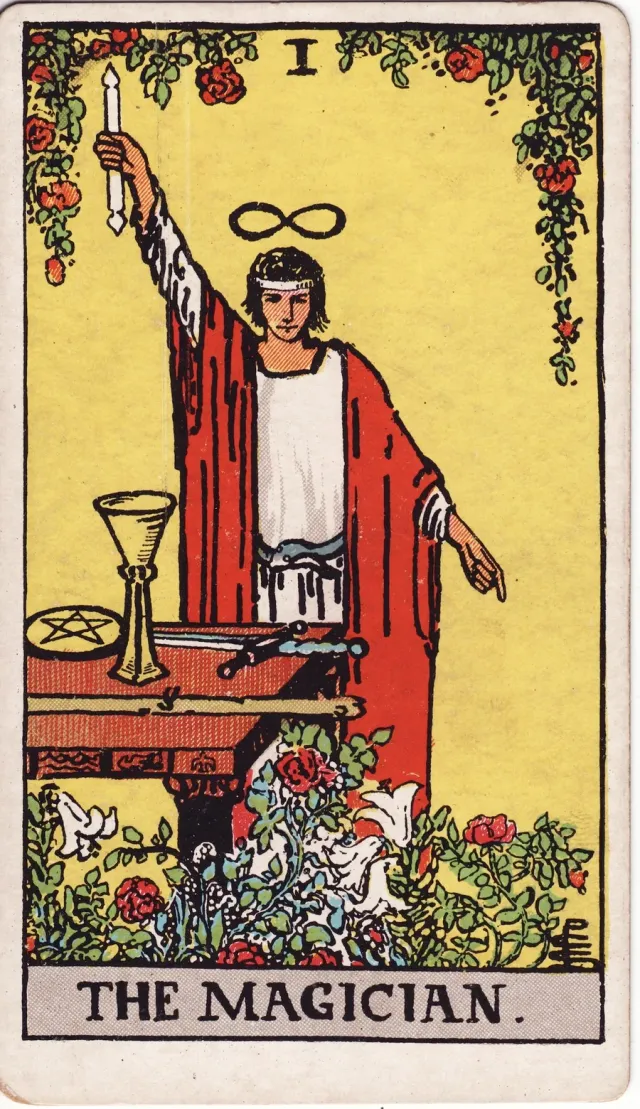
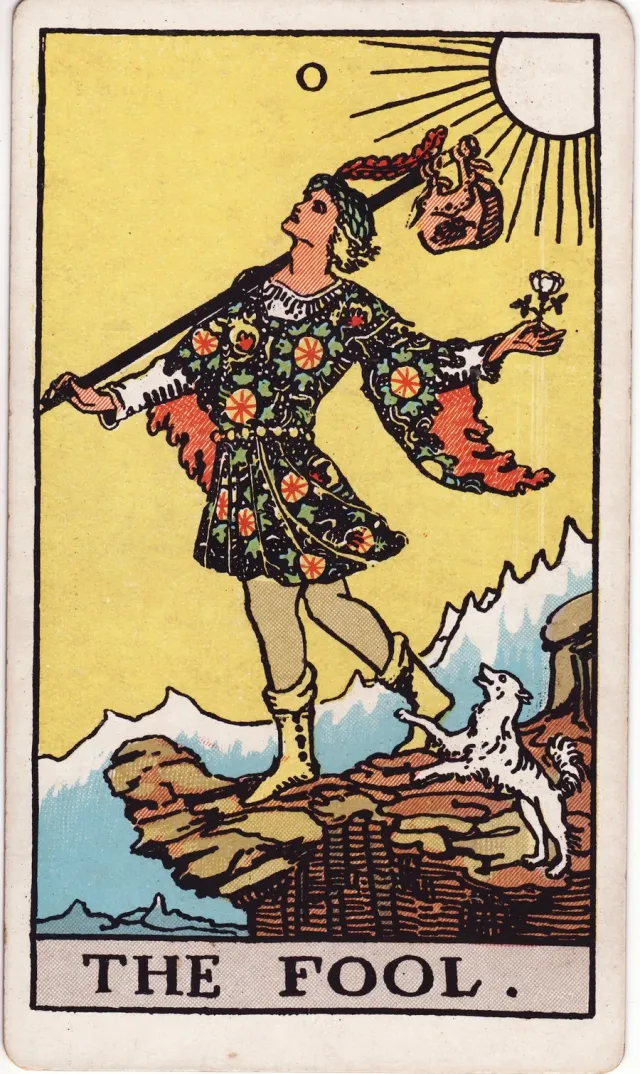
- Pamela Colman Smith’s tarot: the Fool and the Magician; each find’s sheet is a card.
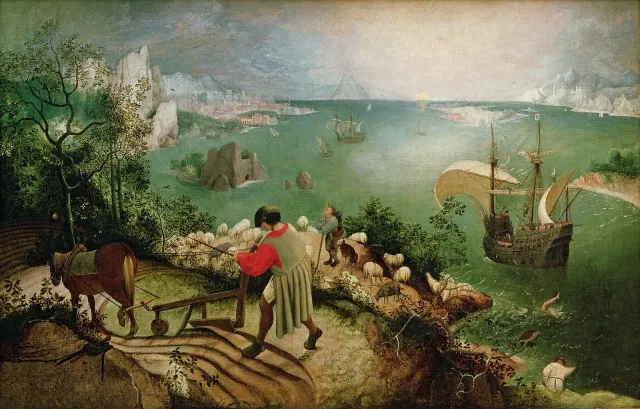
- Bruegel, The Fall of Icarus: everything matters, from the plowman to the myth - the epic and the minute in the same painting.
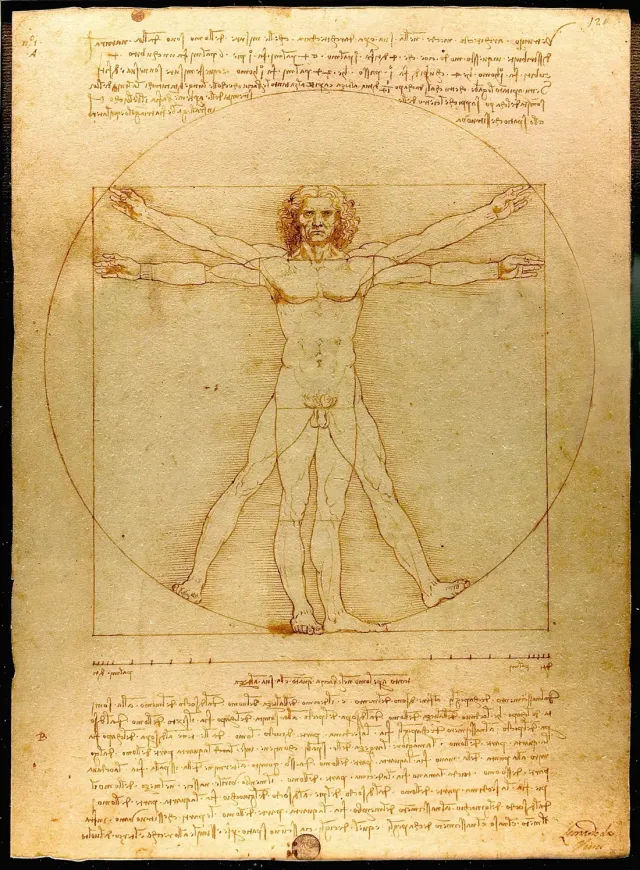
- Leonardo: polymathy; “saper vedere”, which is at the top of every page; the Vitruvian Man as a measure.
- Alchemy: the four elements, the magnum opus, the Emerald Tablet, and the Kybalion - “guard well the flame”.
- Amélie: the neighbor’s television, which plays loose scenes at the end of /about.
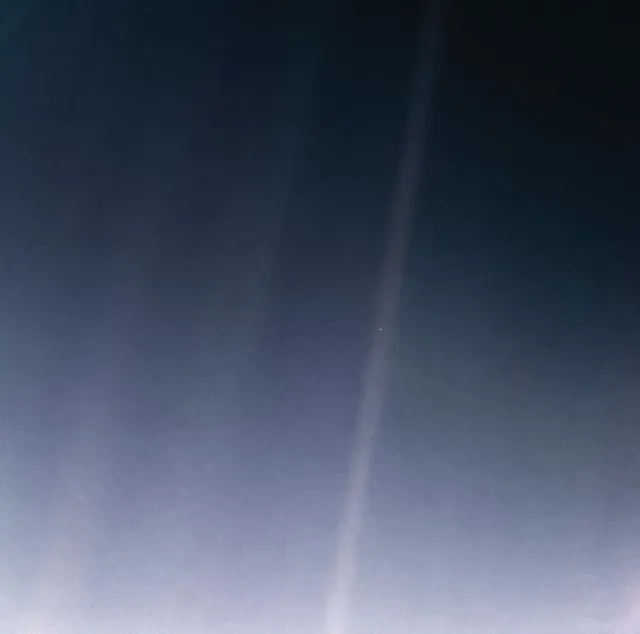
- Carl Sagan: the pale blue dot, and the sentence that opens the site.
- Nils Frahm: Says, which is the site as music.
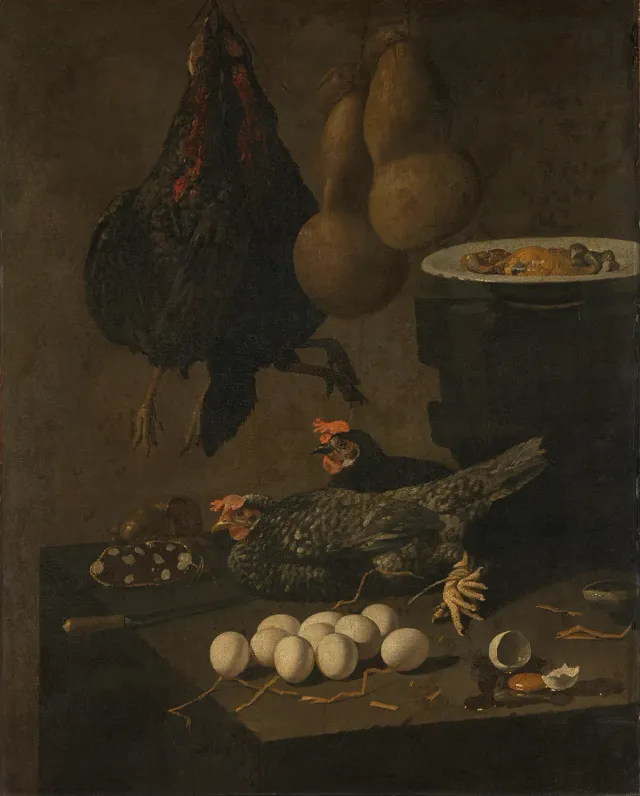
- Clarice Lispector: looking at the egg until it stops being obvious, which is what I try to do with everything.
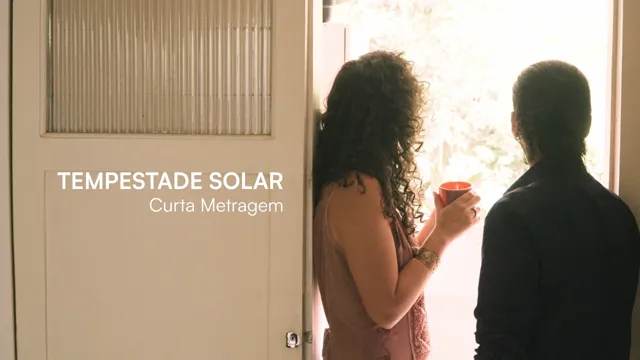
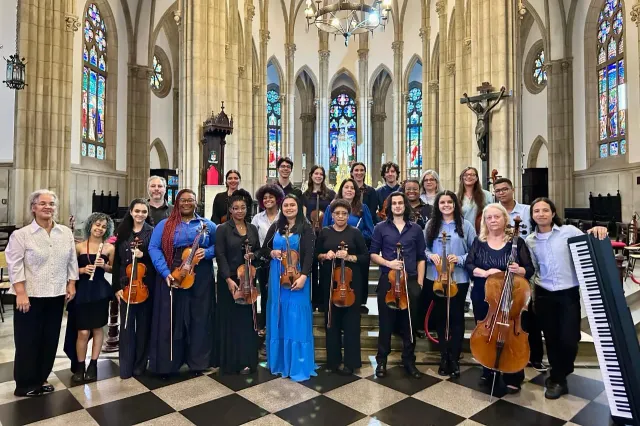
- Theater: ITB and the Cinema Lab: the science and the art of expression. I study theater at Escola Técnica de Teatro ITB, in Petrópolis, and in 2025 I made the short film Tempestade Solar at the Cinema Lab at Rocio Produções. It was on the rehearsal-room floor that I learned to show the gears instead of hiding them, so that whoever is watching thinks instead of only feeling. This site’s entrance curtain, which explains how everything works before letting you in, is a theatrical gesture - and I only realized that after making it.
- The Little Prince, Saint-Exupéry: the fox and what takes work - to know is to tame, and what is essential can’t be seen. [to write]
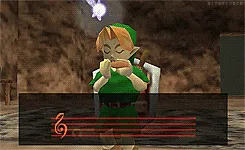
- The games of my childhood: the Zelda ocarina that taught me that playing the right song opens the door, and everything I’ve learned about learning came from a world with clear rules, instant feedback, and the next challenge a little above what I already knew.
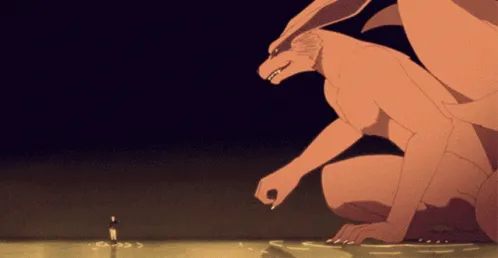
- Naruto: making peace with the monster that lives inside, instead of defeating it.
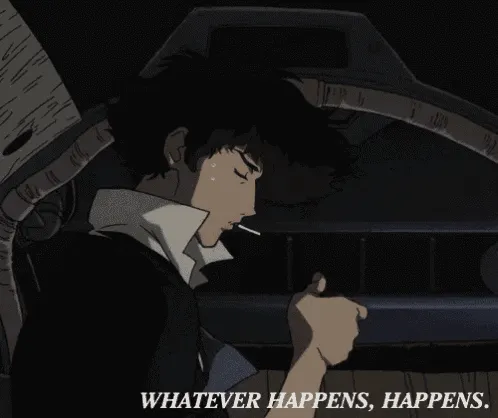
- Cowboy Bebop: “whatever happens, happens” - I do my part and let the rest go.
- Beakman and the Hitchhiker’s Guide: science at the top of your lungs and “don’t panic”. Both fit in the same brain.
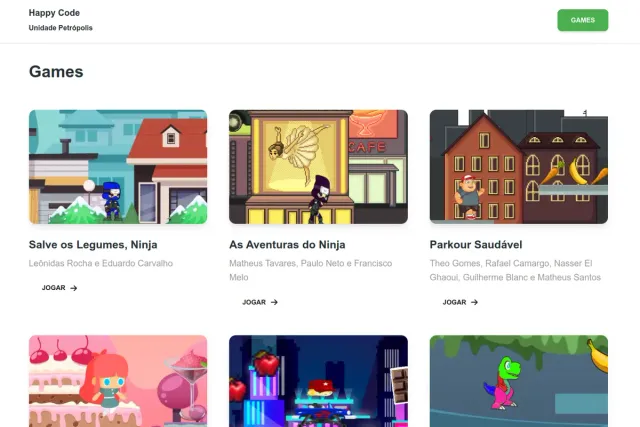
- The teachers: Hiroko Sensei, who taught Japanese to generations; the Suzuki method, in which the child plays before reading; Kumon, one sheet a day; and Happy Code, where I saw kids making games and showing them to their parents. I was a student and a teacher in more than one of these, and what I know about teaching came from them.
12. Why a graph, and not a list
I could have made a list. Four subjects, a menu, click and go. It’s what every site does, and it works. I didn’t, because a list lies about the most important thing: in a list, the items don’t touch.
Take any four things. In how many ways can you combine some of them? One at a time: four. Two at a time: six. Three at a time: four. All four together: one. Four plus six plus four plus one makes fifteen. That number isn’t mine: it’s the number of non-empty subsets of a set of four, and any four things in the universe have exactly fifteen.
Now draw four points and connect each one to all the others. That’s called K₄, the complete graph on four vertices, and it has: four vertices, six edges, four triangles, and the whole. Four, six, four, one. The same fifteen. It isn’t a coincidence - it’s the same thing. Each piece of the figure is one of the fifteen combinations, and the whole figure is the list of everything that can be born between four things. I didn’t draw an illustration of the thesis. I drew the mathematical object the thesis is, and then all I had to do was write the name of each piece.
That’s what systems thinking means to me, and why it’s a method and not a theme. Theme is when you write a post about systems. Method is when the structure of what you do obeys the idea. The home page doesn’t talk about systems: it is one. The model running underneath is stock-and-flow, each pillar accumulates, each line conducts, and cutting a connection makes both sides drain. You can read the thesis or you can play with it. Both lead to the same place.
13. What I still don’t know
I don’t know if anyone will find the 28 grains. I don’t know if the opening walkthrough teaches or gets in the way - I’ve redone it four times and I’m still not sure. I don’t know if “the whole is greater than the sum of its parts” is a truth or a pretty sentence I decided to believe. I don’t know what the kid who shouted “let me talk” would think of all this.
I know I made it without knowing what it was, and that once it’s done I may find out. But that is what matters least here.
the workbench for all of this: the lab →the measurements, the rejected candidates, and what the page knows about itself